Nasazení můstku: Co potřebujete vědět o trvalém řešení pro chybějící zuby
When you lose a tooth, your mouth doesn’t just lose a piece of enamel—it loses balance. A zubní můstek, trvalá zubní protéza, která nahrazuje chybějící zub nebo zuby pomocí sousedních zubů jako opory. Also known as zubní most, it is a fixed solution that restores chewing, speech, and the natural shape of your face without surgery. Unlike removable dentures, a můstek doesn’t move. It’s cemented in place and feels like your own teeth. But it’s not for everyone. If your neighboring teeth are healthy, a zubní implantát, kovový šroub v kosti, který slouží jako nový kořen pro umělý zub might be better. But if you need a faster, less invasive fix, a můstek is often the go-to.
How does it work? Your dentist grinds down the two healthy teeth next to the gap—these become anchors. Then a custom-made bridge, usually made of ceramic or metal-ceramic, is fitted over them and glued in place. It’s a one-time procedure, usually done in two visits. No implants mean no healing time. You walk out with a full smile in days, not months. But here’s the catch: those anchor teeth? They’re permanently changed. If they get decay or damage later, the whole bridge might need replacement. That’s why dentists check their health first—no point in saving one tooth by risking two others.
How long does it last? With good care, a můstek can last 10 to 15 years. But if you grind your teeth, skip flossing under the bridge, or eat hard candies, it can fail sooner. That’s why zubní protéza, obecný pojem pro jakýkoli umělý náhradník zubu, včetně můstků, korunek a dentur isn’t just about the piece itself—it’s about your habits. Brushing twice a day, using a special floss threader, and seeing your dentist every six months are non-negotiable. A můstek doesn’t decay, but the teeth under it can—and that’s where most failures happen.
It’s not just about looks. Missing teeth shift your bite. Your jawbone starts to shrink. You might chew only on one side, which strains your jaw joint. A můstek stops that domino effect. It keeps your face from looking sunken, your speech clear, and your chewing efficient. But it’s not the only option. If you’re young and healthy, an implant might be smarter long-term. If you need a quick fix after trauma, or if your budget is tight, the můstek is a solid, proven choice.
In the posts below, you’ll find real-life stories and practical advice about what happens before, during, and after the procedure. From how to prepare your teeth, to what to eat the first week, to why some můstky last longer than others—you’ll see the full picture. No fluff. Just what works, what doesn’t, and what your dentist won’t always tell you.
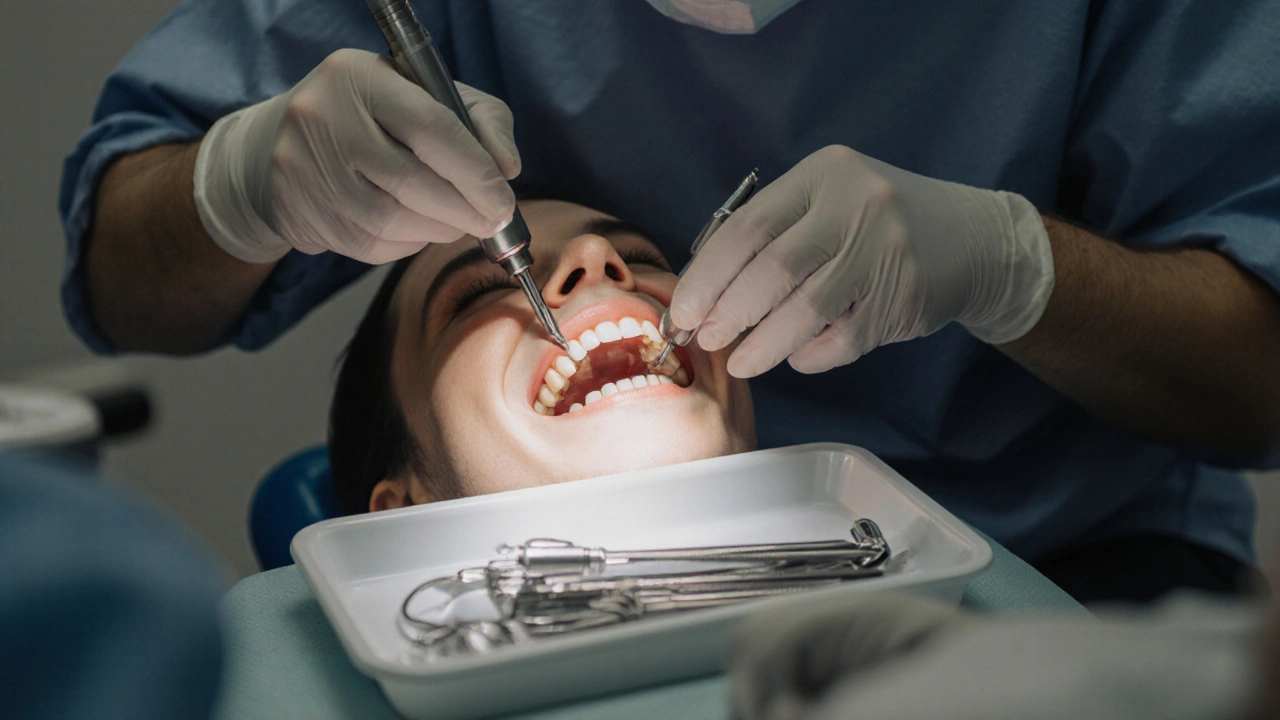
Jak se nasazuje můstek na zuby: krok za krokem a co si pamatovat
Zjistěte, jak probíhá nasazení zubního můstku, jaké jsou jeho výhody a nevýhody oproti implantátu, a jak ho správně péčíte, aby vydržel desítky let.